

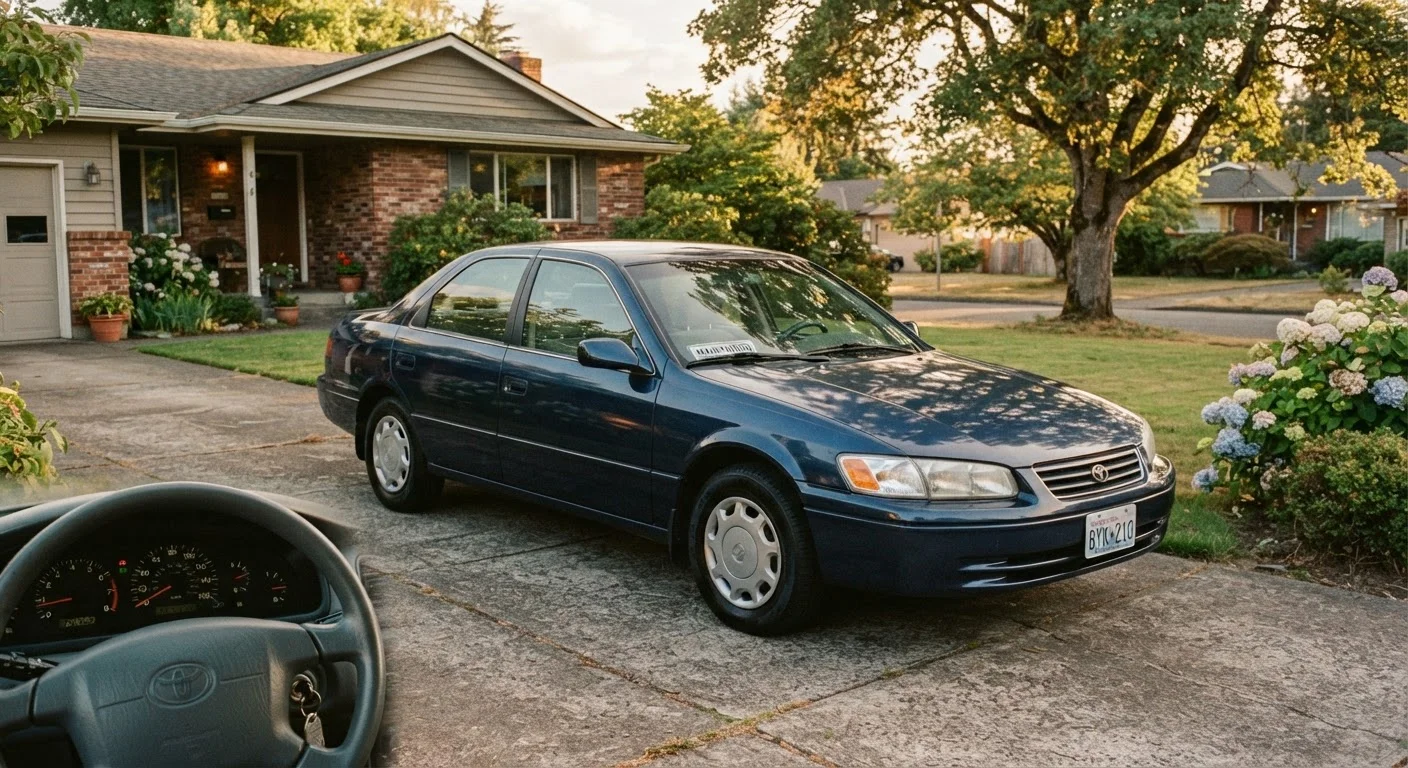
Why keeping an older vehicle running makes financial sense
A vehicle with 100,000 or 150,000 miles on it is not automatically on borrowed time. Many modern engines are engineered to run reliably well past 200,000 miles when maintained correctly. The financial math often favors continued upkeep over replacement: a year of attentive maintenance typically costs far less than even a modest car payment.
If you are weighing whether to keep your current vehicle or replace it, the real financial trade-offs between new and used are worth understanding in detail before committing to either path. For most families, the answer depends heavily on the vehicle's current condition and maintenance history, not just its age or odometer reading.
The maintenance habits that matter most
High-mileage vehicles punish neglect faster than newer ones. Seals are older, tolerances are tighter, and fluids degrade more quickly. That means the standard maintenance schedule printed in your owner's manual becomes more important, not less, as miles accumulate.
Oil is the most consequential fluid in any engine. On a vehicle past 75,000 miles, consider switching to a motor oil labeled for high-mileage engines. These formulations typically contain seal conditioners that help reduce leaks and minor burning, which become more common as engines age. Check your oil level between changes, especially if you notice any burning smell or blue-tinted exhaust smoke.
Coolant, transmission fluid, and brake fluid also degrade over time. Coolant that has turned acidic can corrode your radiator and water pump from the inside. Many mechanics recommend flushing coolant every two to five years depending on the type used, though your owner's manual gives the authoritative interval for your specific vehicle.
For a clear-eyed look at which maintenance tasks you can handle yourself and which genuinely require a professional, see our guide to DIY versus professional service.
Components to watch closely as miles add up
Certain parts wear at predictable rates and carry serious consequences when they fail suddenly. Timing belts on interference engines, for instance, can cause catastrophic engine damage if they snap without warning. Most manufacturers specify a replacement interval between 60,000 and 105,000 miles. If your vehicle uses a timing belt and you are unsure whether it has been replaced, have a mechanic confirm it before driving further.
Tires deserve attention beyond just checking pressure. Sidewall cracking, uneven tread wear, and vibration at highway speeds all indicate that inspection or replacement is overdue. On a family vehicle used for longer trips, tire failure is one of the most preventable causes of roadside emergencies.
Knowing what warning signs to watch for can help you act before a small problem becomes an expensive repair. Our article on early warning signs your car needs attention covers the sounds, smells, and dashboard indicators that merit immediate follow-up.
Preparing a high-mileage vehicle for family road trips
Before any long drive, a short inspection pays off. Check tire pressure and tread depth, confirm all fluid levels are within range, test every exterior light, and listen for any new sounds during a short local drive. A mechanic can perform a multi-point inspection for a modest fee and often catches issues a non-specialist would miss.
Keeping the air filter clean also matters more than many drivers realize. A clogged filter forces the engine to work harder and can affect fuel economy noticeably. If your family relies on this vehicle for road travel, our travel planning resources include practical guidance on making those trips affordable and manageable. And since vehicle operating costs connect directly to household budgets, the same discipline that helps with everyday financial planning applies here too: track what you spend on maintenance and set aside a monthly amount for expected repairs.
This article provides general automotive information for educational purposes only. Always consult a qualified, licensed mechanic before making decisions about vehicle repair or safety-related components.
The content provided on our blog site traverses numerous categories, offering readers valuable and practical information. Readers can use the editorial team’s research and data to gain more insights into their topics of interest. However, they are requested not to treat the articles as conclusive. The website team cannot be held responsible for differences in data or inaccuracies found across other platforms. Please also note that the site might also miss out on various schemes and offers available that the readers may find more beneficial than the ones we cover.