

Why small problems turn into large bills
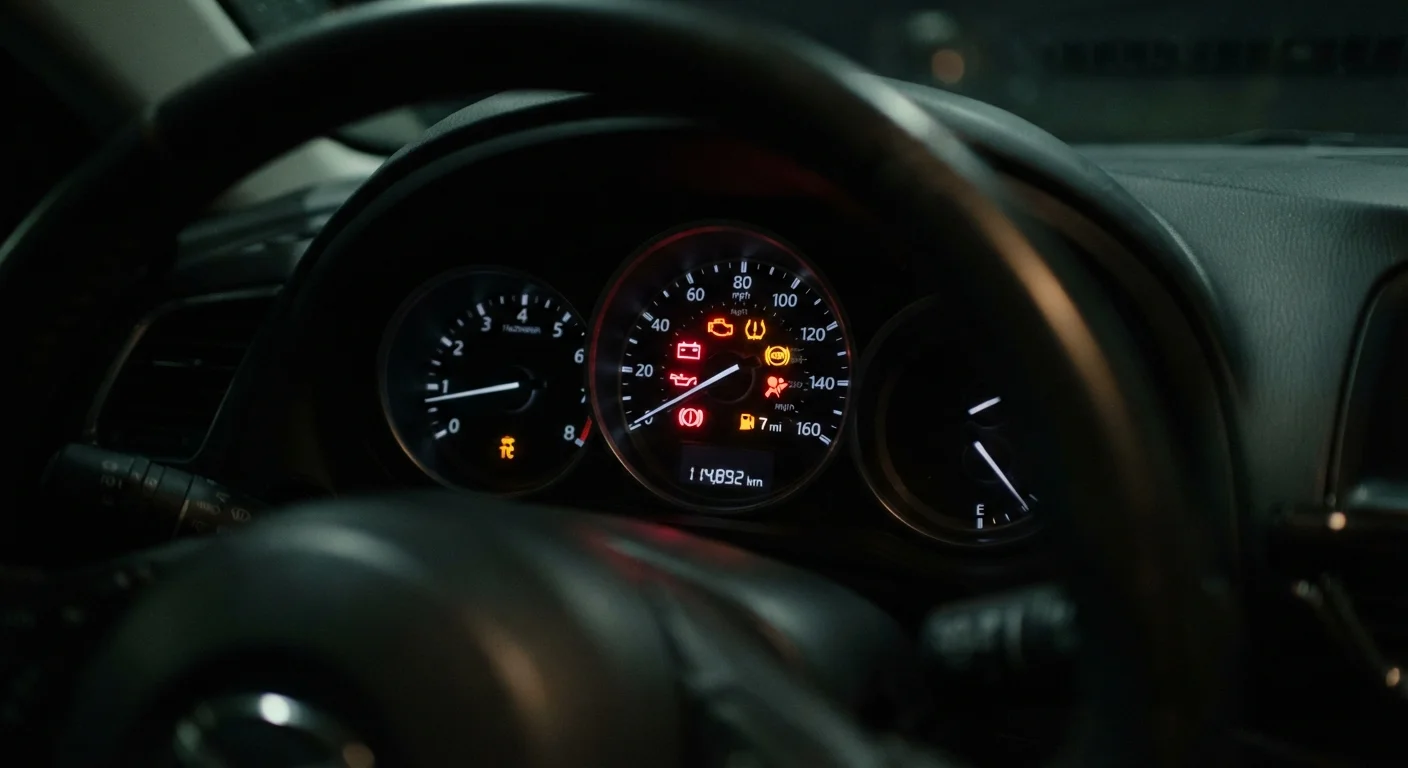
Most major car repairs do not appear without warning. They start as a faint noise, a slow fluid leak, or a dashboard light that gets pushed to the back of the to-do list. The gap between a $80 fix and an $800 fix is often just a few weeks of delay.
Understanding what your car is telling you, and acting on those signals quickly, is one of the most practical ways to control ownership costs. For a fuller picture of what car ownership actually costs over time, see the real cost of owning a car.
Check engine light: do not assume it is minor
A steady check engine light can mean anything from a loose gas cap to a misfiring cylinder or a failing catalytic converter. Some causes are inexpensive to fix early but become very costly if left unaddressed for months. Get a diagnostic scan promptly rather than waiting to see if the light clears on its own.
Common mistakes that turn minor issues into major repairs
The mistakes below follow a consistent pattern: a driver notices something slightly off, decides it is not urgent, and waits until a symptom becomes impossible to ignore. By that point, secondary damage has usually set in.
Dismissing warning lights because the car seems to drive fine.
Why it happens: When nothing feels obviously wrong, it is easy to assume the light is a sensor glitch and put off a shop visit.
Ignoring unfamiliar noises, such as knocking, squealing, or grinding.
Why it happens: Noises can come and go, and drivers often talk themselves into believing they will go away on their own.
Skipping fluid level checks between oil changes.
Why it happens: Many drivers assume the shop handles everything during a standard oil change interval, and fluid levels only become obvious when something stops working.
Driving on tires that are visibly worn or consistently losing pressure.
Why it happens: Tire wear happens gradually, and a slow leak feels manageable until it becomes a flat on the highway.
Overlooking changes in how the car handles, such as pulling to one side or vibrating at speed.
Why it happens: Handling changes develop gradually, so drivers adjust without realizing the car is no longer behaving normally.
Putting off an oil change because the car is running without obvious issues.
Why it happens: Modern engines are tolerant enough that degraded oil does not immediately produce dramatic symptoms, so the deadline feels flexible.
This article is for general informational purposes only and is not a substitute for professional mechanical advice. Always consult a qualified mechanic before making decisions about your vehicle's safety or repair needs.
Building a simple habit of early detection
You do not need mechanical expertise to catch most early warning signs. A monthly walk-around of your vehicle, a quick check of fluid levels, and a tire pressure reading takes about ten minutes. Compare that to the hours spent arranging a tow and waiting for a repair.
Brake symptoms demand immediate attention
Any grinding, squealing, or soft pedal feel when braking is a safety issue, not just a mechanical inconvenience. Do not delay a brake inspection. Driving on worn brake components can lead to brake failure, and the repair cost rises sharply if rotors are damaged alongside pads.
If you want to know which of these checks you can handle yourself and which need a professional, car maintenance tasks you can do yourself covers exactly that. For families driving older vehicles, stretching the life of a high-mileage family vehicle offers additional guidance on keeping reliability up without overspending.
$1,200+
Average cost of a catalytic converter replacement
AAA has reported that catalytic converter repairs are among the most expensive emissions-related jobs, with parts and labor often exceeding $1,200 depending on vehicle type.
35%
Of roadside breakdowns are preventable
AAA estimates that a large share of breakdowns involve issues such as tire failure, dead batteries, and fluid problems that regular inspections can catch before failure.
The content provided on our blog site traverses numerous categories, offering readers valuable and practical information. Readers can use the editorial team’s research and data to gain more insights into their topics of interest. However, they are requested not to treat the articles as conclusive. The website team cannot be held responsible for differences in data or inaccuracies found across other platforms. Please also note that the site might also miss out on various schemes and offers available that the readers may find more beneficial than the ones we cover.